Cart
X
Your cart is empty.
Compare precious metals
Precious metals are sold at a premium over the spot price. This premium varies by product and weight, so buyers focused on metal value should compare the price per gram of pure metal.
Use this tool to calculate the best-value available purchase for a target weight or maximum budget.
Choose a weight or budget and view the best-value available products.
Prices include tax and exclude shipping and insurance costs. Availability is checked in the cart.
 1 Kilo Koala Silver Coin | 2026
Best choice
1 Kilo Koala Silver Coin | 2026
Best choice
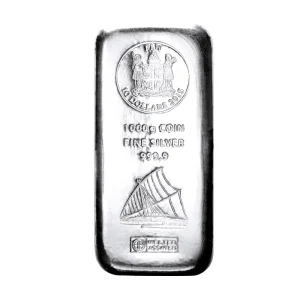 1 Kilo Fiji Coin Bar | Silver | Argor-Heraeus
€ 23,10 more expensive than the best choice
1 Kilo Fiji Coin Bar | Silver | Argor-Heraeus
€ 23,10 more expensive than the best choice
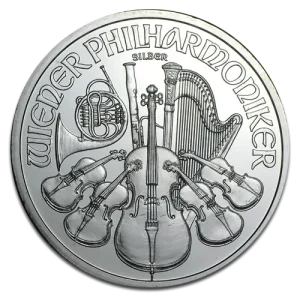 1 oz Vienna Philharmonic Silver Coin
€ 38,94 more expensive than the best choice
1 oz Vienna Philharmonic Silver Coin
€ 38,94 more expensive than the best choice
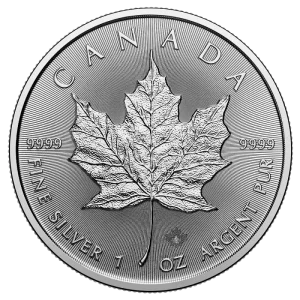 1 oz Maple Leaf Silver Coin | Bullion Uncirculated
€ 43,89 more expensive than the best choice
1 oz Maple Leaf Silver Coin | Bullion Uncirculated
€ 43,89 more expensive than the best choice
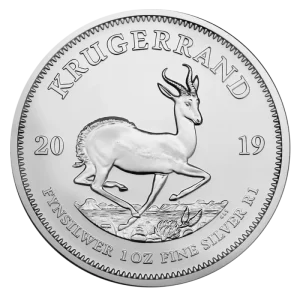 1 oz Krugerrand Silver Coin | Mixed Years
€ 47,52 more expensive than the best choice
1 oz Krugerrand Silver Coin | Mixed Years
€ 47,52 more expensive than the best choice
Current snapshot
Prices updated at 10:12
The price per gram is calculated using the current product price and the pure precious-metal weight. Shipping and insurance costs are not included.
When comparing by weight, enter the minimum amount of gold or silver you want to buy. The tool calculates how many units of each product are required and ranks the possible purchases by total price.
When comparing by budget, the tool calculates which available products provide the most pure precious metal within that amount. The price per gram is always the total price divided by the total pure precious-metal weight.
Larger silver bars generally have a lower premium per gram than small bars and coins. Their price is therefore often closer to the silver spot price. Coins and smaller bars usually cost more per gram, but are easier to sell in portions.
For gold, too, the price per gram generally falls as the bar size increases. Fixed production, packaging and trading costs are spread over more grams. A larger gold bar does, however, require a higher single purchase amount.
The spot price is the current market price of unprocessed gold or silver. Physical products are sold above this price. The difference is called the premium and includes production, packaging, storage and trading costs.
With a large bar, these costs are spread over more grams. A large product is therefore often cheaper per gram than several small products of the same total weight. Coins may also carry a higher premium because of their design, mintage or marketability.
The lowest price per gram is not automatically the best choice for every buyer. Smaller units offer more flexibility if you later want to sell only part of your holdings. In addition to price per gram, consider the purchase amount and your preferred allocation.
Buyers focused solely on metal value can find the best-value option by comparing available products by price per gram of pure metal. Larger bars generally have the lowest premium per gram.
The price per gram is the total product price divided by the weight of pure gold or silver in the product. This makes it possible to compare products of different weights objectively.
The premium consists of costs above the spot price, such as production, packaging, storage and trading. These costs and product demand vary by size, producer and product type.
Usually, but not always. Current stock, product demand and pricing can temporarily make a smaller product better value. The comparison therefore uses current product prices.
The spot price is the current international market price for immediate delivery of unprocessed gold or silver. It moves during trading hours and forms the basis for the price of physical precious-metal products.
Use the comparison as a starting point, then balance a low price per gram against the flexibility of smaller units. You can explore the available gold and silver products in the product range.

Goldbase is part of Holland Holdings B.V.